Chi Siamo


Cosa Facciamo
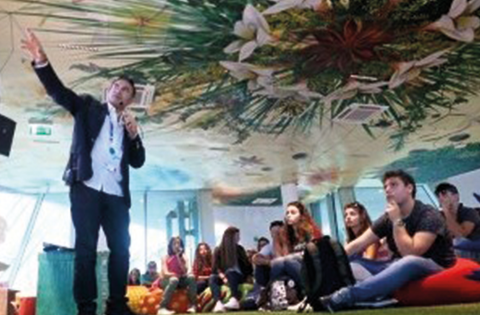
— Formiamo
Educhiamo attraverso la promozione di attività di studio, ricerca e cultura in diverse discipline incentivando lo scambio e la collaborazione internazionale.
— Informiamo
Ci impegniamo nella divulgazione di conoscenze e informazioni sul territorio e all'estero, supportando la crescita culturale ed economica.
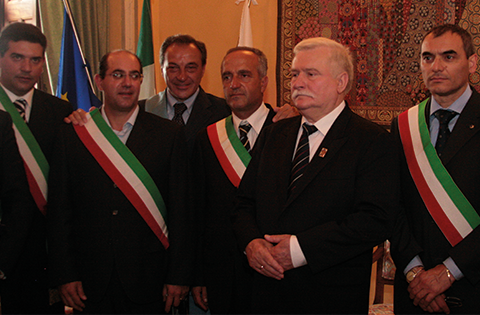
— Costruiamo Reti
Attraverso la creazione e promozione di nuovi network regionali e internazionali sviluppiamo progetti comuni e favoriamo la collaborazione e lo scambio di conoscenze.
— Supportiamo
Supportiamo Enti locali e PMI nel turismo, artigianato e agro-alimentare implementando progetti di sviluppo e cooperazione per favorire la crescita sostenibile
— Sviluppiamo
Supportiamo le politiche di sviluppo territoriale orientate agli interessi comunitari ed internazionali, favorendo la crescita economica e culturale a livello glocale.
— Consigliamo
Offriamo consulenza per favorire la partecipazione a progetti di integrazione regionale e di relazioni internazionali.
Le Attività
Formazione
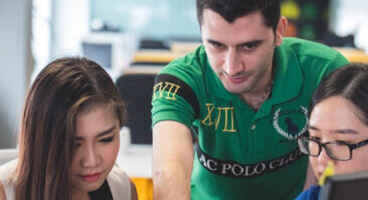
Promuoviamo la comprensione delle dinamiche globali per favorire legami di pace e cooperazione tra nazioni attraverso la formazione e il confronto interculturale.

Relazioni Internazionali
Promuoviamo la comprensione delle dinamiche globali per favorire legami di pace e cooperazione tra nazioni attraverso la formazione e il confronto interculturale.
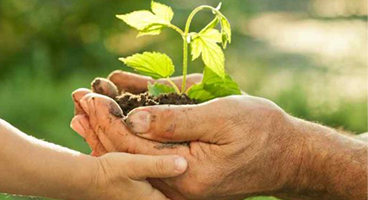
Sviluppo Sostenibile
Promuoviamo la comprensione delle dinamiche globali per favorire legami di pace e cooperazione tra nazioni attraverso la formazione e il confronto interculturale.